Flarond Almanac
— ABOUT THE PUBLICATION

The Foundation Record

Flarond Almanac began with a simple question: why does so much writing about metabolic wellbeing reach for urgency when the subject rewards patience? The publication is an attempt to answer that question through steady, unhurried editorial work.

A wide editorial workspace with large windows, open research notebooks arranged across a pale wooden desk, morning light casting long horizontal shadows across the surface
01 — ORIGIN

London, 2024
Founded by the editorial team
First issue: January 2025

A publication shaped by the conviction that metabolism is not a problem to be solved, but a system to be understood.

The almanac format was chosen deliberately. Almanacs have historically served as records — of seasons, of patterns, of what recurs. Metabolism, as a subject, rewards exactly this kind of longitudinal attention. A single article on resting energy expenditure is a data point. A body of writing that returns to the same subjects across months and years begins to constitute a map.

Flarond Almanac publishes long-form editorial pieces, concise observations, and contextual notes on published research. The perspective is not advocacy — the publication does not endorse specific routines, products, or approaches. What it offers is a considered reading of the evidence, and a body of writing that holds that evidence at arm's length from the commercial pressures that too often compress it into claims.

The London base is relevant. The publication draws on the city's community of nutrition scientists, exercise physiologists, and science journalists. Contributors are selected for the quality of their thinking, not the prominence of their credentials.


02 — EDITORIAL TEAM

The writers and editors

Portrait of a woman in her mid-thirties with dark hair, seated at a desk in a light-filled editorial office, natural window light, neutral background
Editor-in-Chief

Eleanor Whitfield

Eleanor founded the almanac after a decade writing about nutritional science for print and digital publications. Her editorial focus is on how research findings translate — or fail to translate — into everyday understanding. She oversees all commissioning and final copy for the publication.

Portrait of a man in his early forties with light features, standing beside a bookshelf of scientific texts in a warm-toned study, diffused indoor light
Contributing Editor

Tobias Ashcroft

Tobias contributes regular long-form pieces on meal timing, energy availability, and the relationship between eating patterns and daily performance. His background is in exercise science journalism, and his writing is noted for its precision and editorial restraint.

Portrait of a woman in her late twenties seated at a sunlit cafe table with a notebook and coffee, relaxed and thoughtful expression, natural outdoor light diffused through glass
Guest Writer

Harriet Pembroke

Harriet is a freelance science writer whose work has appeared in a range of independent publications. Her contributions to Flarond Almanac focus on metabolic flexibility, adaptive thermogenesis, and the intersection of research and everyday practice.

03 — VALUES

What this publication stands for

Independence

No commercial partnerships, sponsorships, or affiliate arrangements influence editorial decisions. The almanac is funded by its readership and operates without institutional backing. This means subject selection, tone, and conclusions remain the editorial team's own.

Evidence-Informed

Articles are grounded in published research. Where evidence is inconclusive, that inconclusiveness is named. The publication does not use the language of certainty where uncertainty is the honest position. Writers cite sources and indicate where findings are preliminary.

Editorial Patience

The almanac publishes at a considered pace rather than chasing news cycles. A subject is returned to when new findings warrant it, not when the editorial calendar demands it. Readers who find this rhythm useful will find the archive rewarding.

Transparency

Contributors disclose any commercial relationships that might influence subject selection. Corrections are noted publicly in the affected article. The editorial team can be contacted directly, and substantive errors are addressed promptly.

04 — WORKPLACE

52 Leather Lane, Clerkenwell

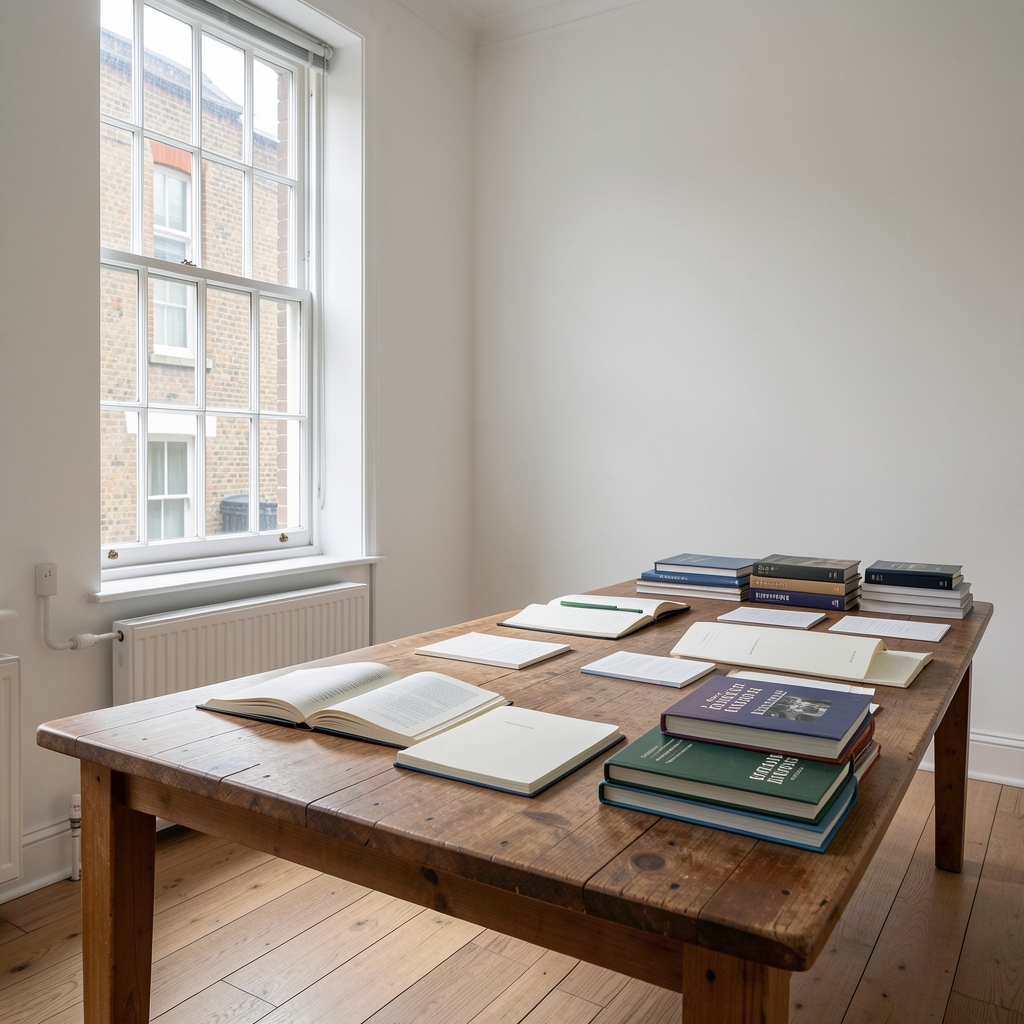
A quiet editorial room with tall white walls, a long wooden table set with open notebooks and stacked research journals, clean natural light through large sash windows in a Clerkenwell townhouse
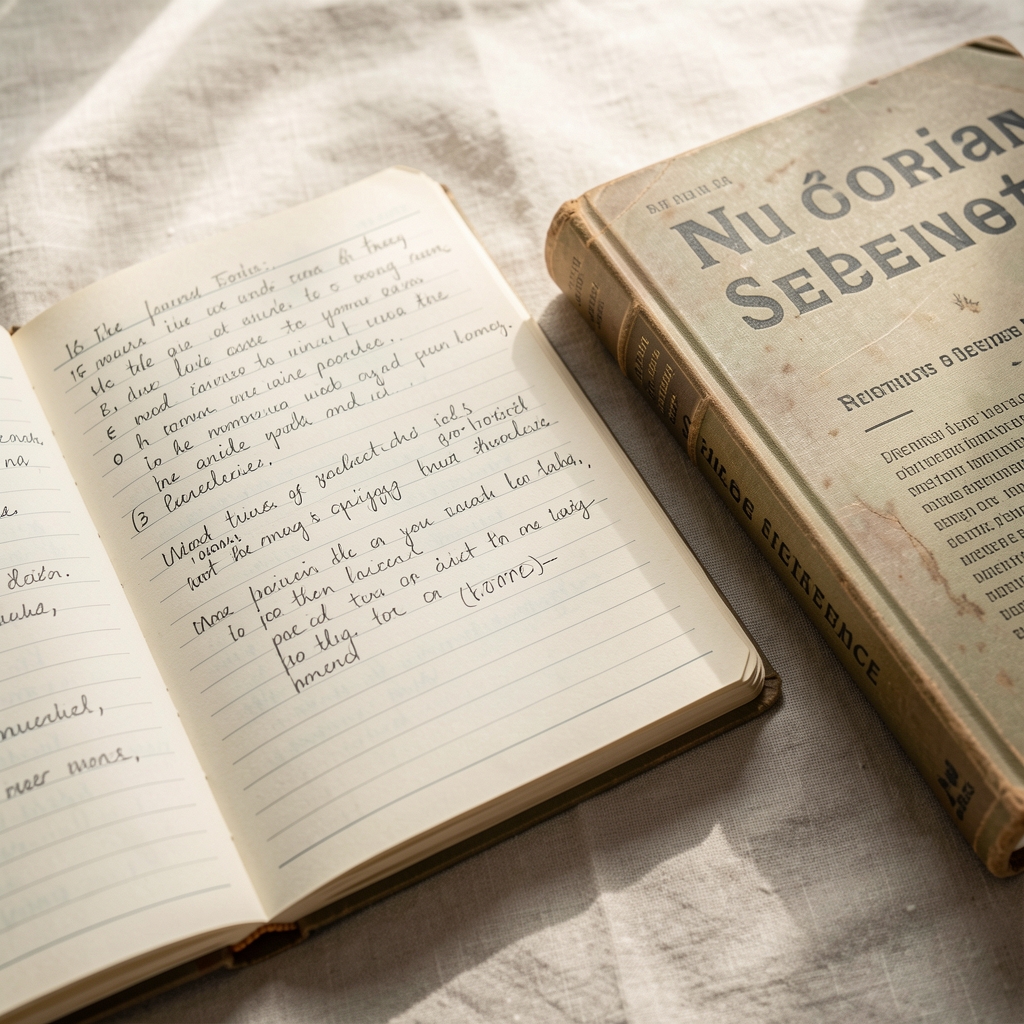
Detail of an open editorial notebook with handwritten annotations, a well-worn copy of a nutritional science reference book beside it, soft morning light on a pale linen surface
A corner of a London editorial office in late afternoon light, a potted plant beside a radiator and two upholstered chairs with research printouts, warm amber tones
05 — GET IN TOUCH

Correspondence and contributions

The editorial team reads all correspondence. Writers interested in contributing should include a brief outline of their proposed piece and examples of previous published work.